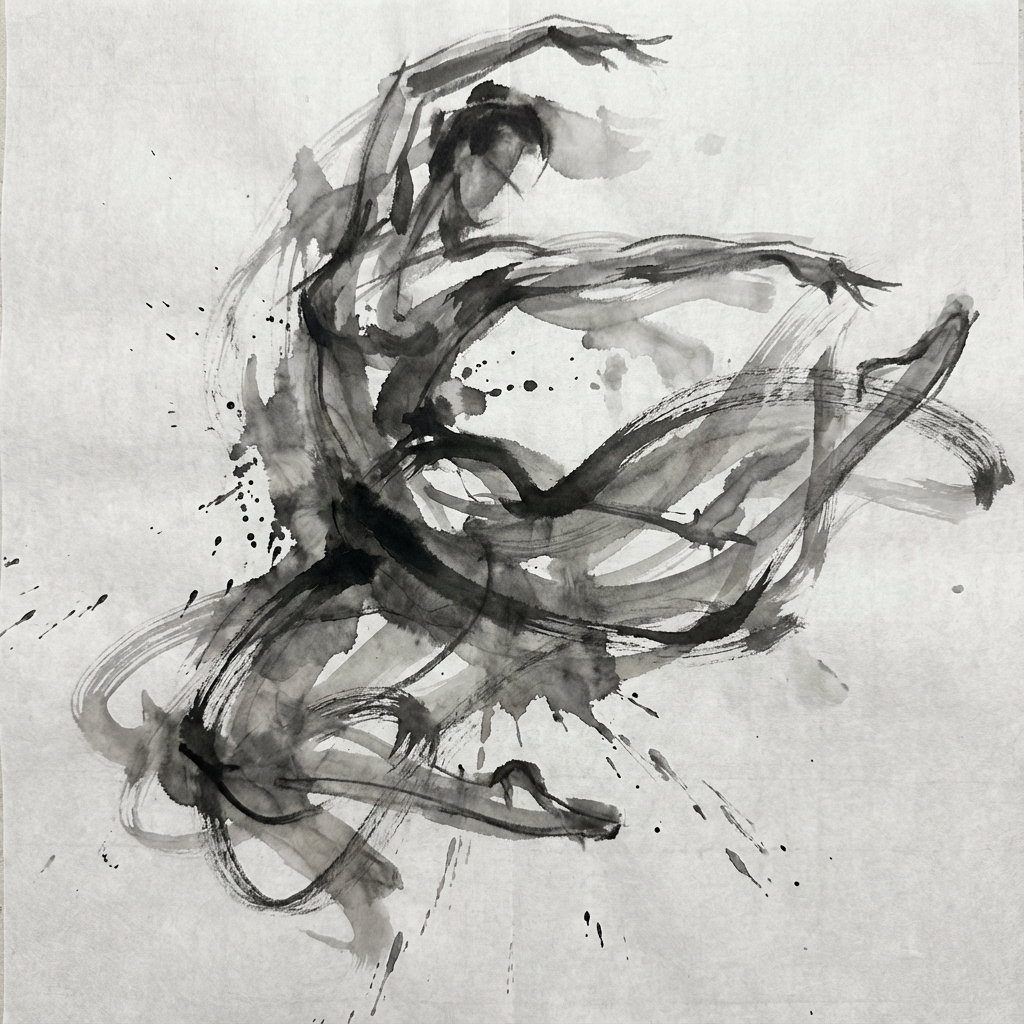
Movement
I really can’t stress enough the importance of sports and exercise in my own life. It has been one of the biggest anchors for me. But while there are countless benefits of exercise that I’ll go on to discuss, like anything, exercise isn’t always healthy and healing when done for the wrong reasons.
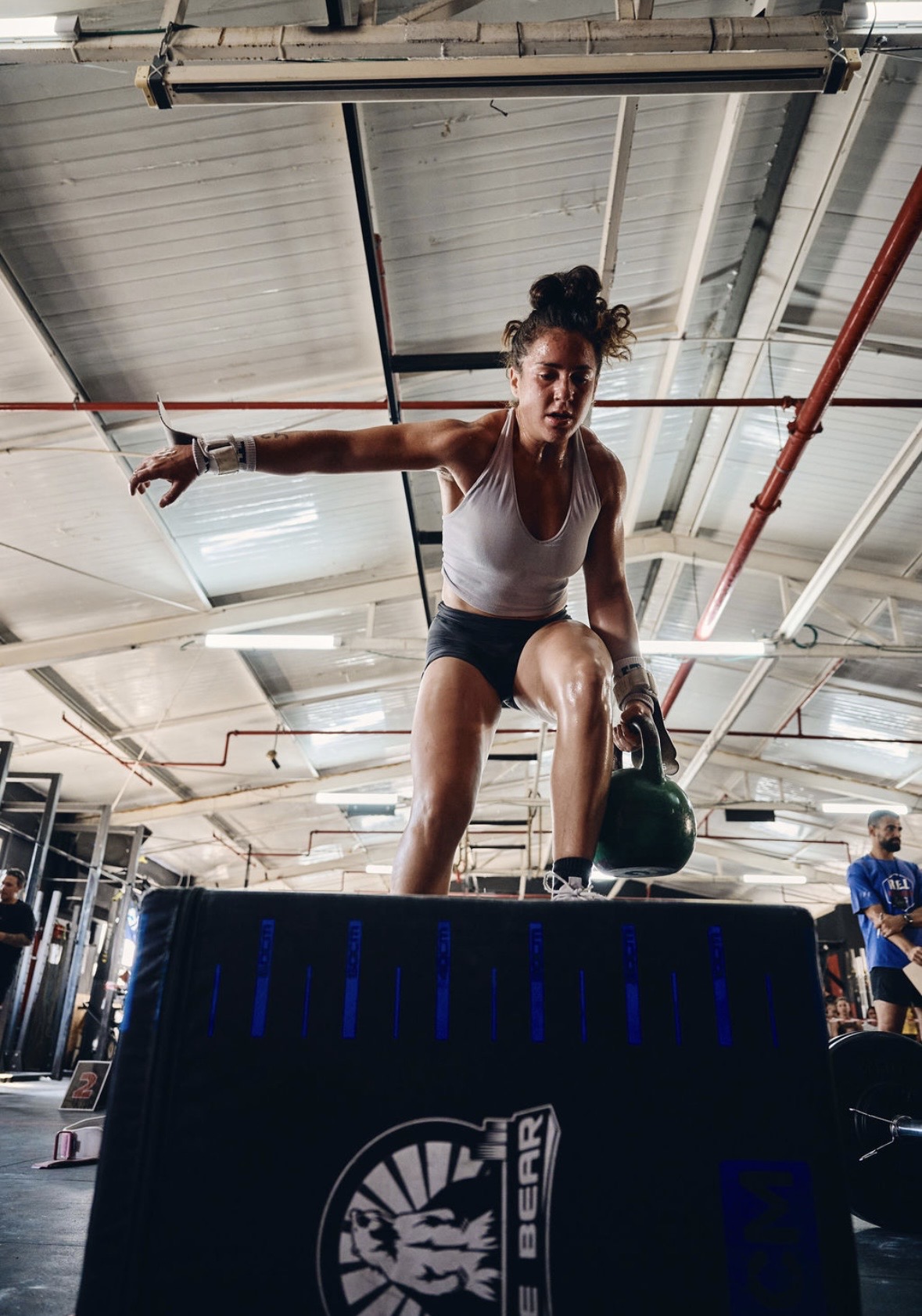
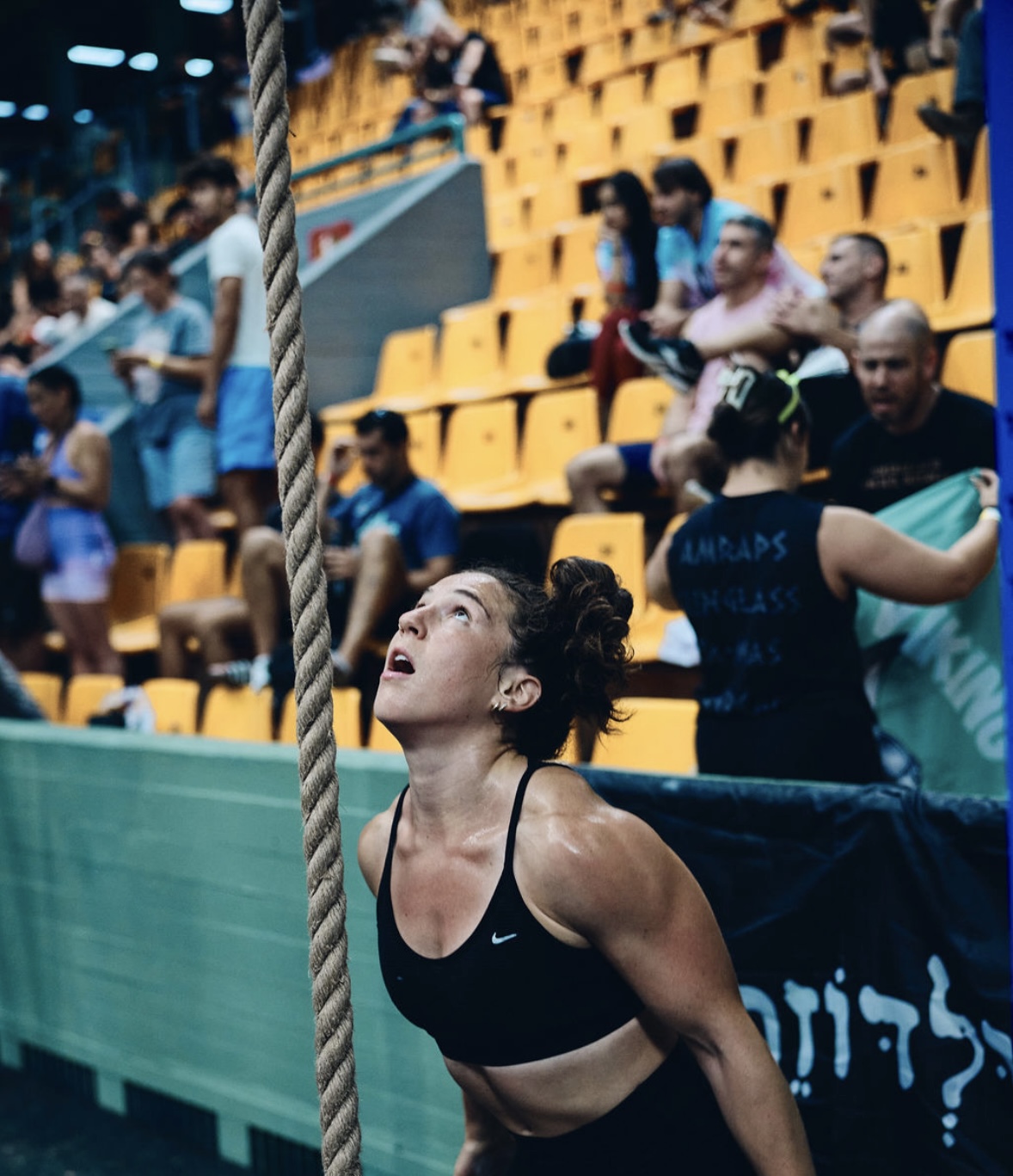
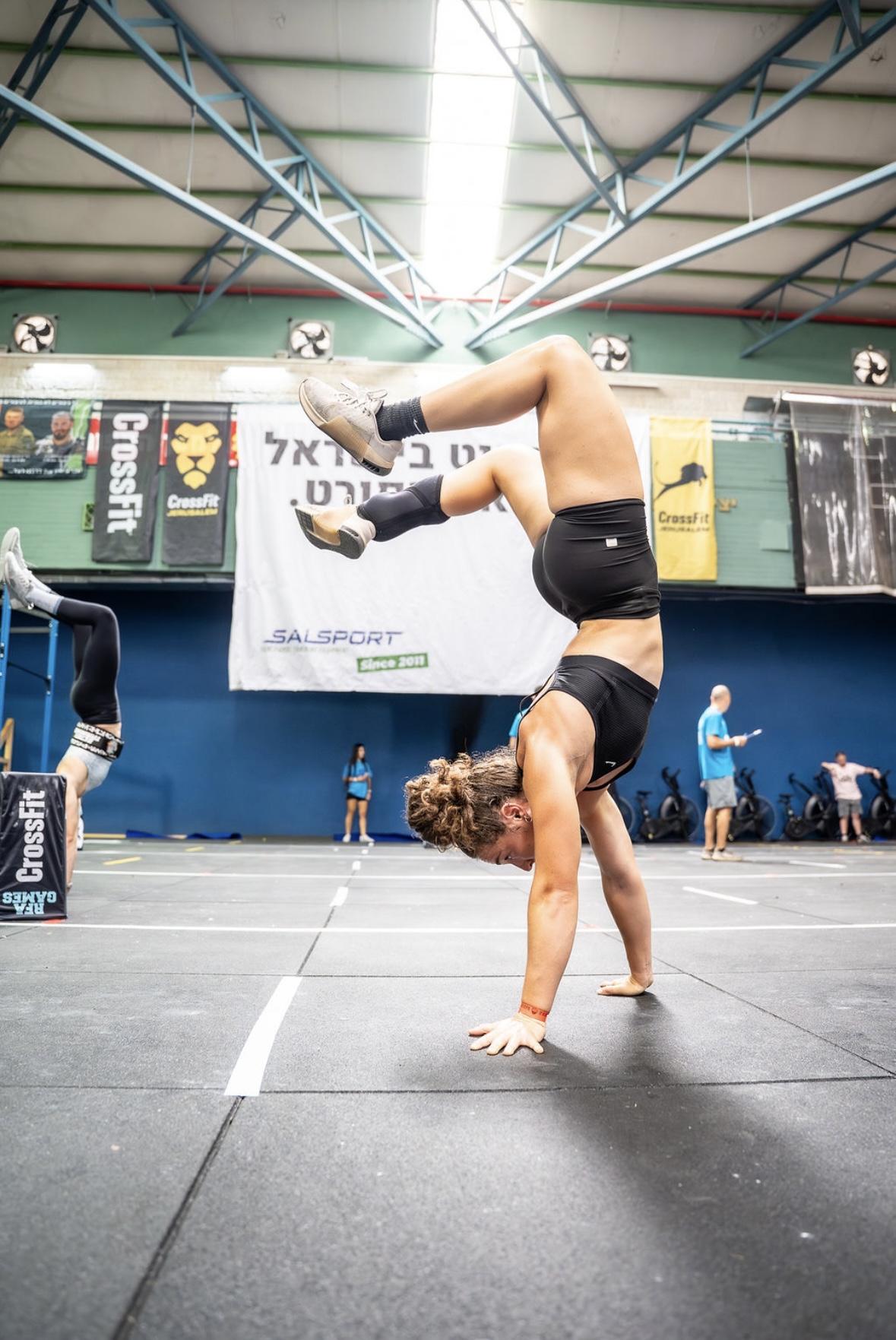
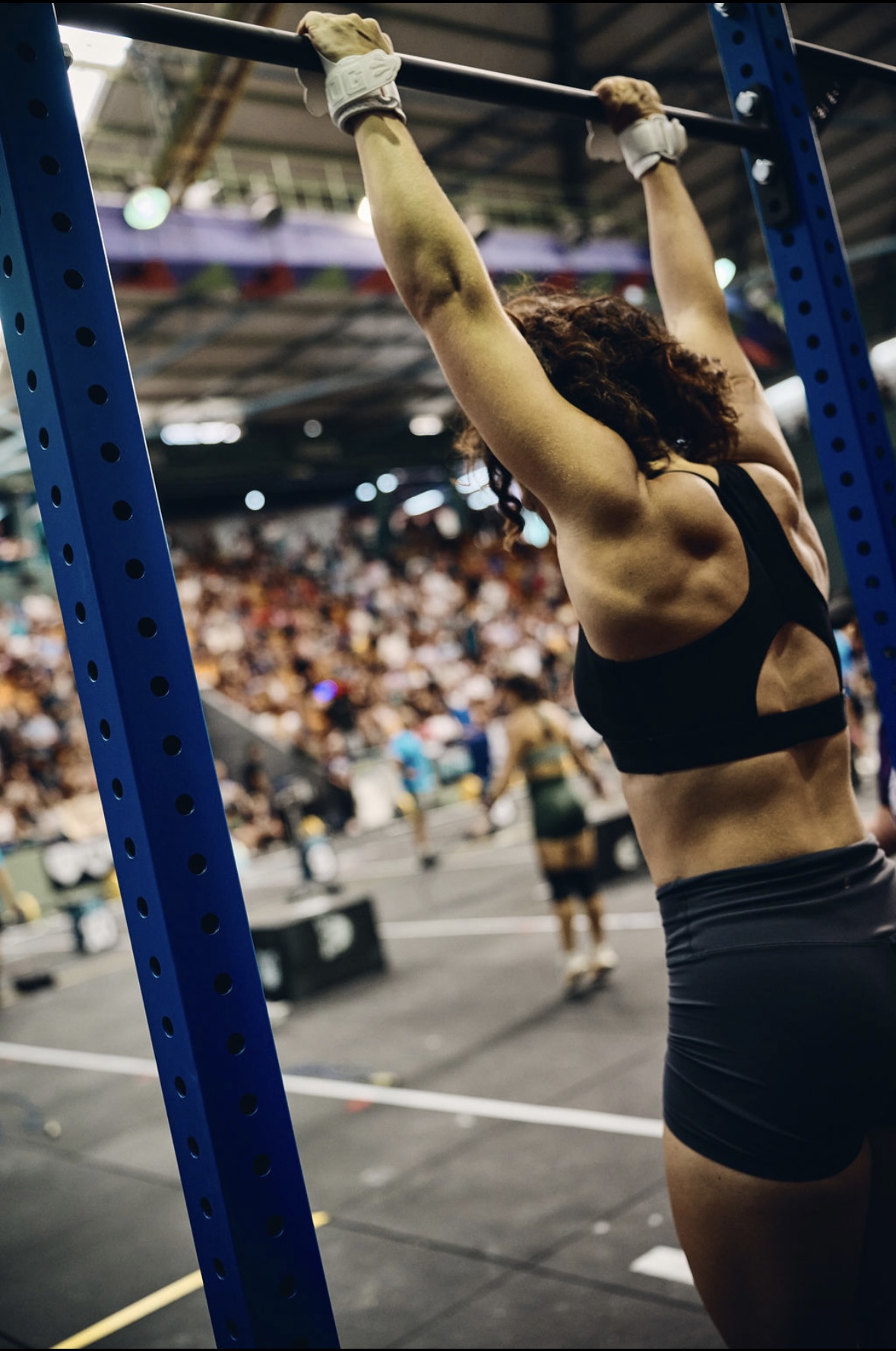
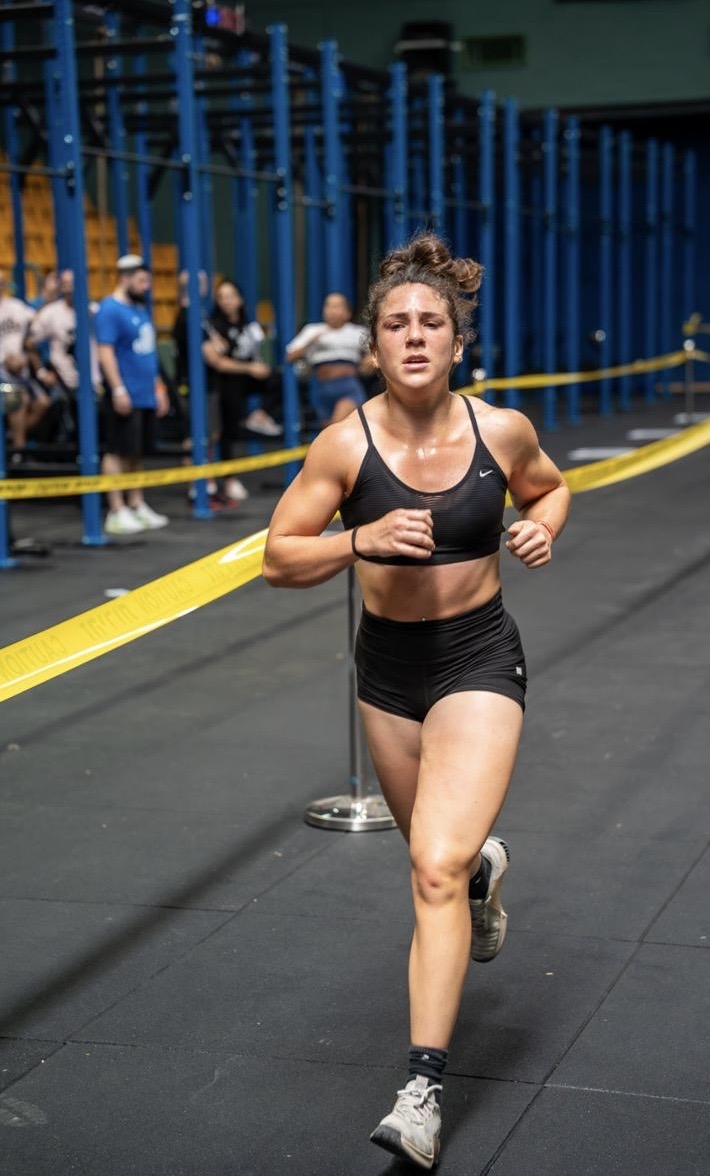
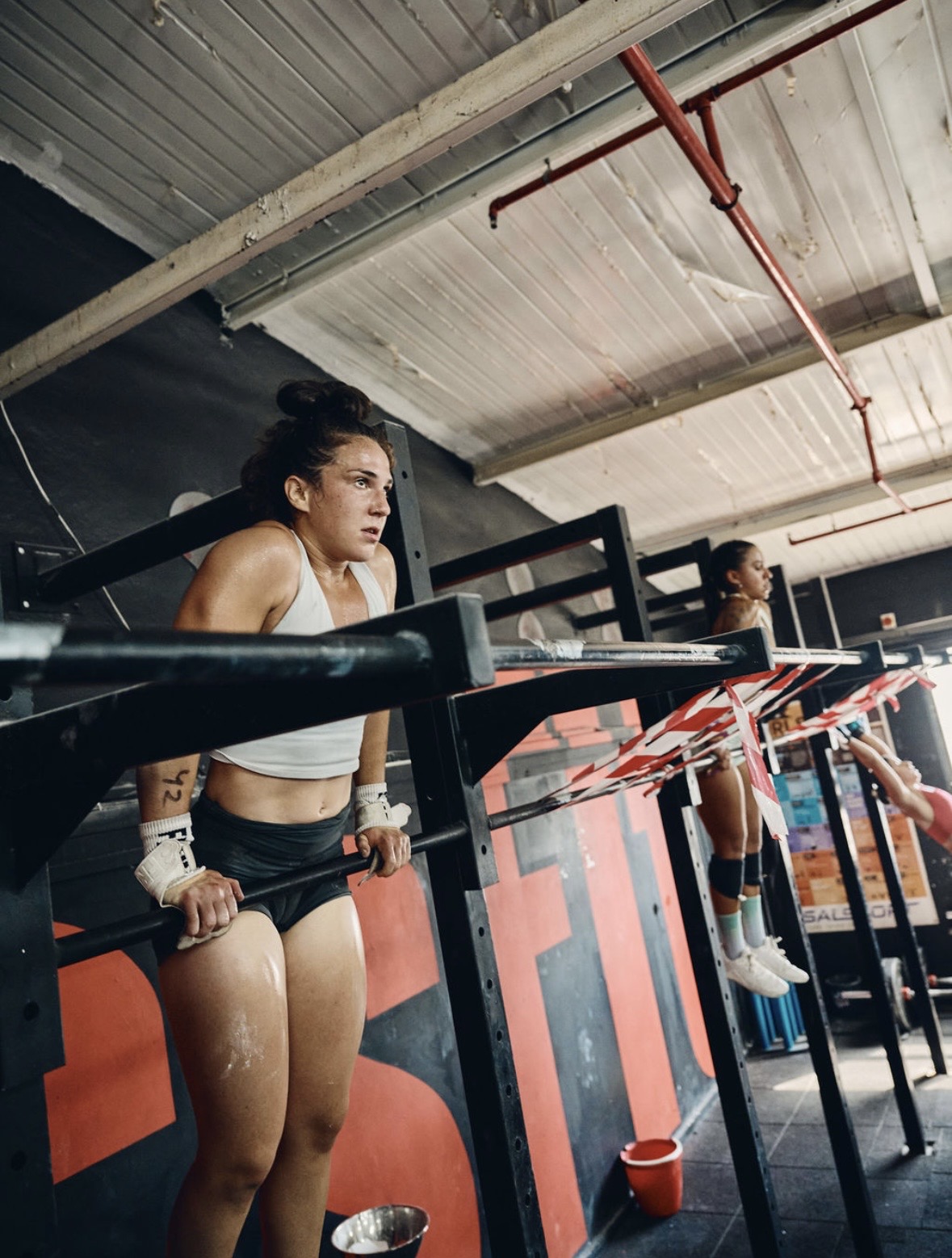
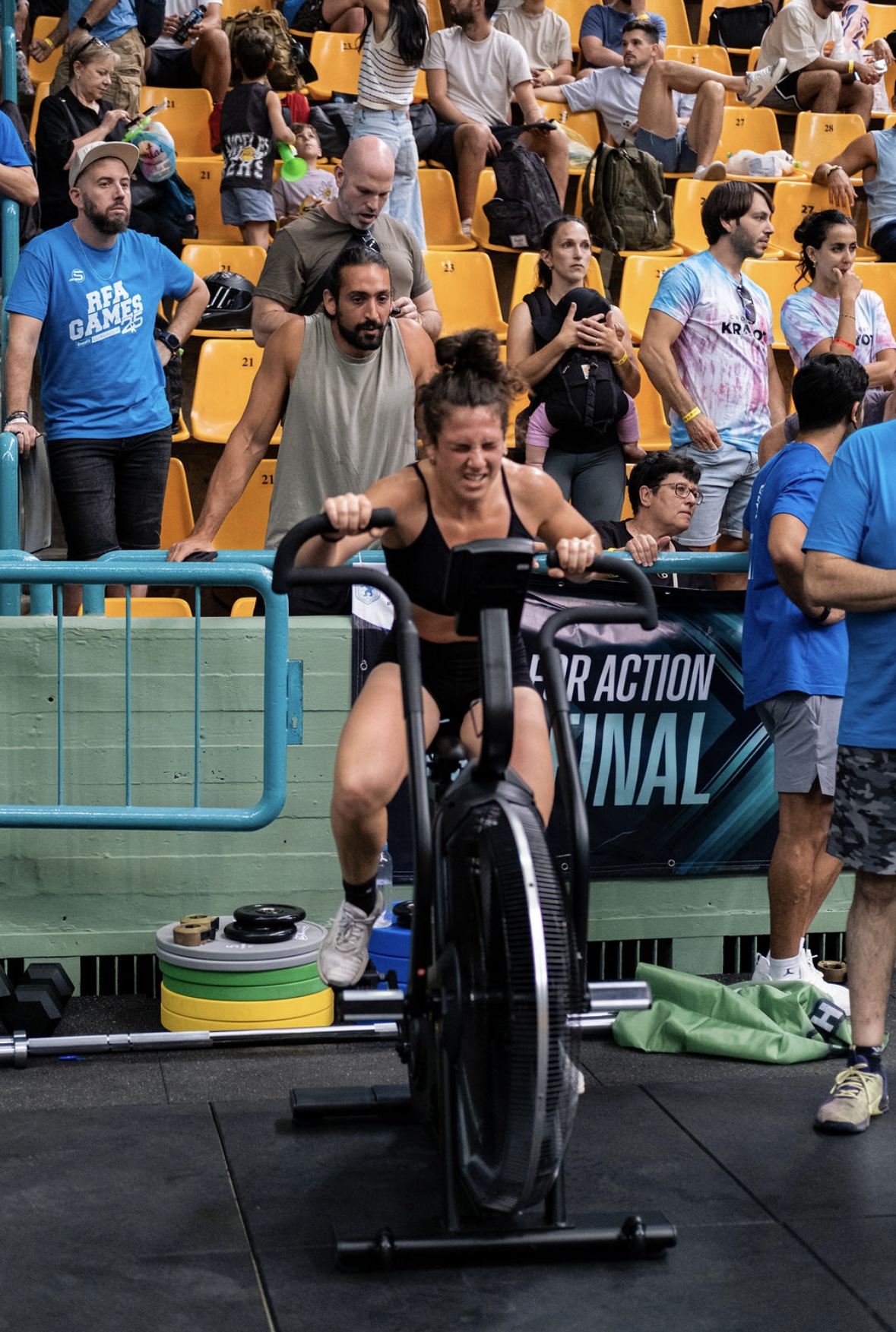
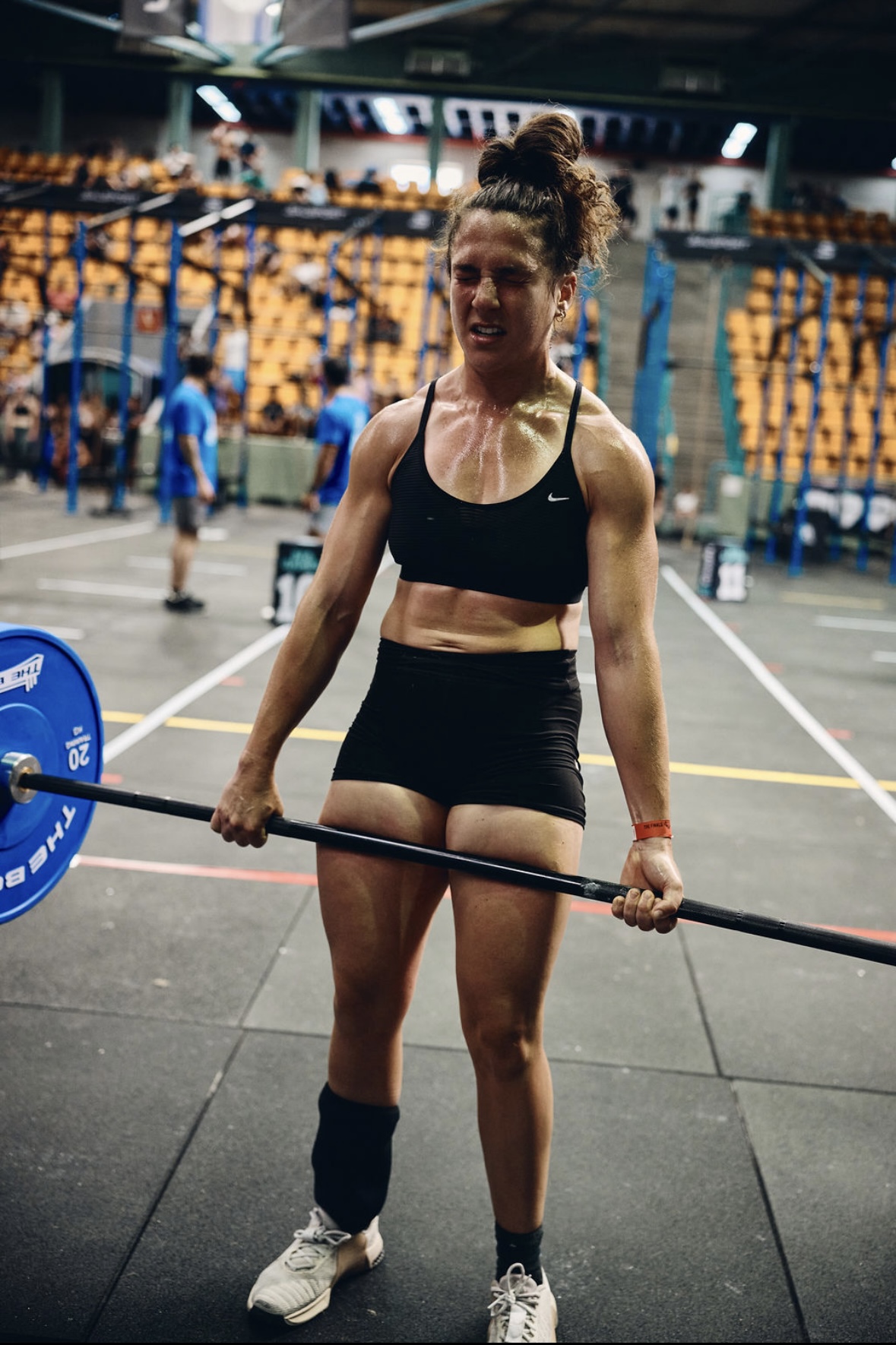
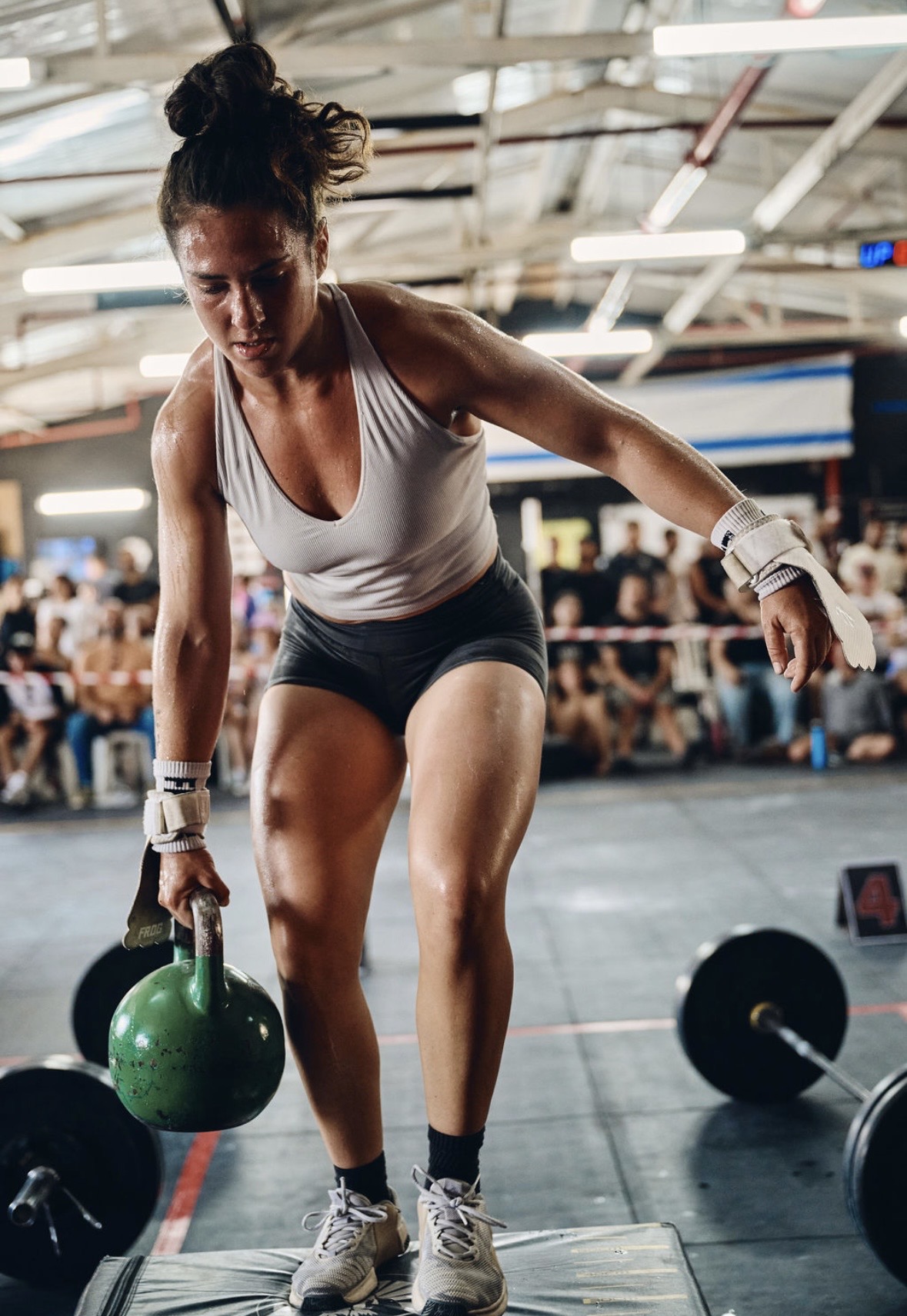
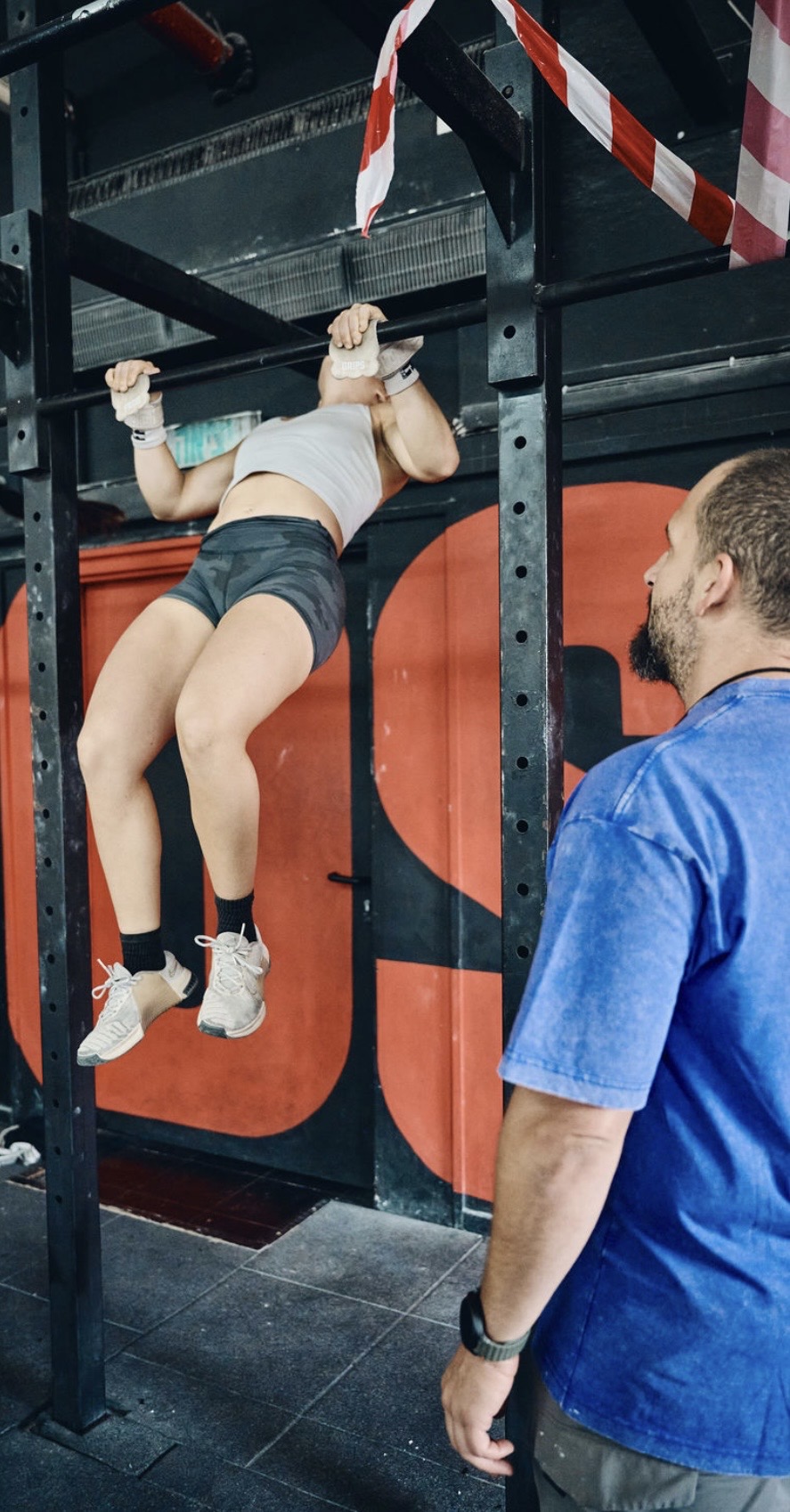
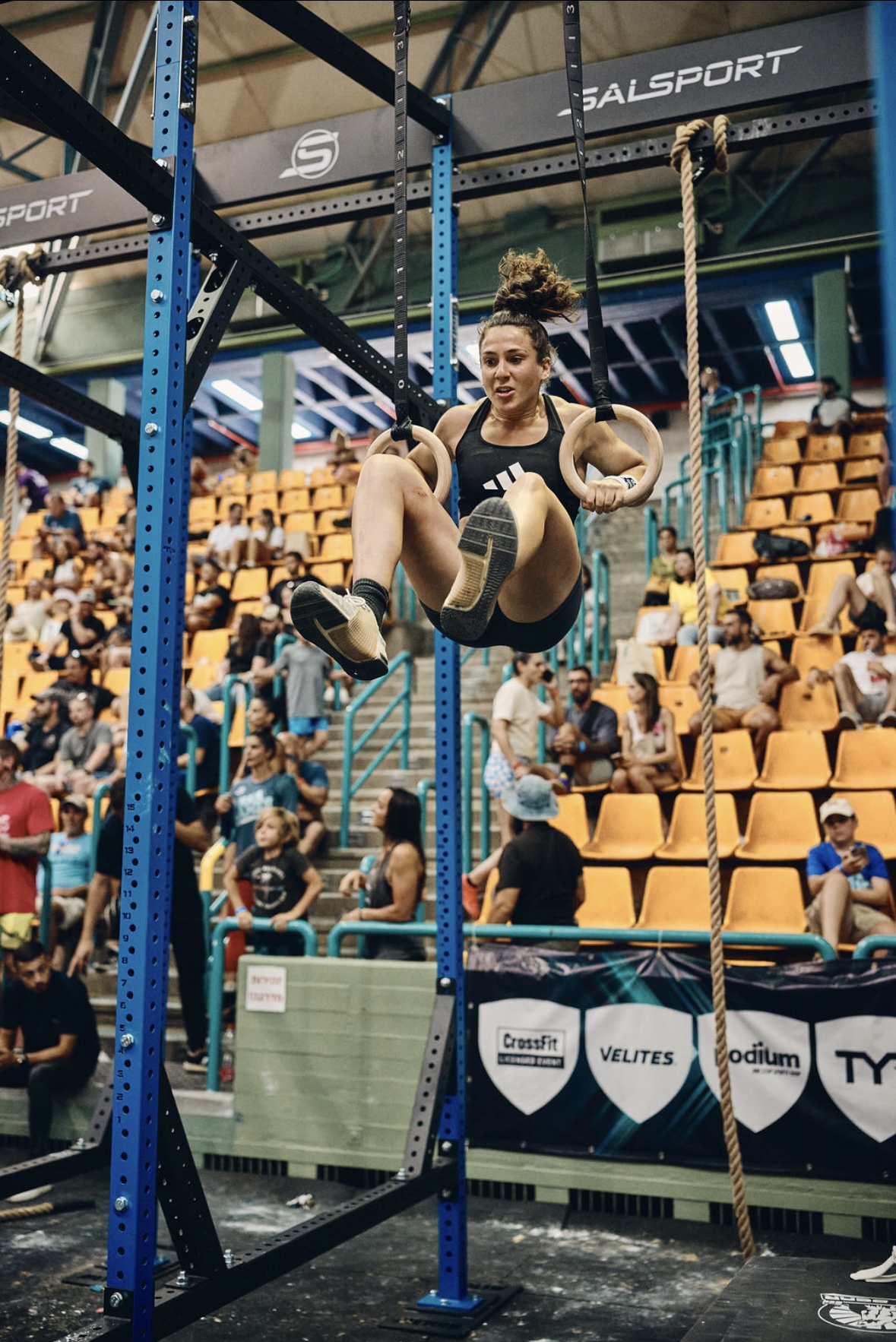
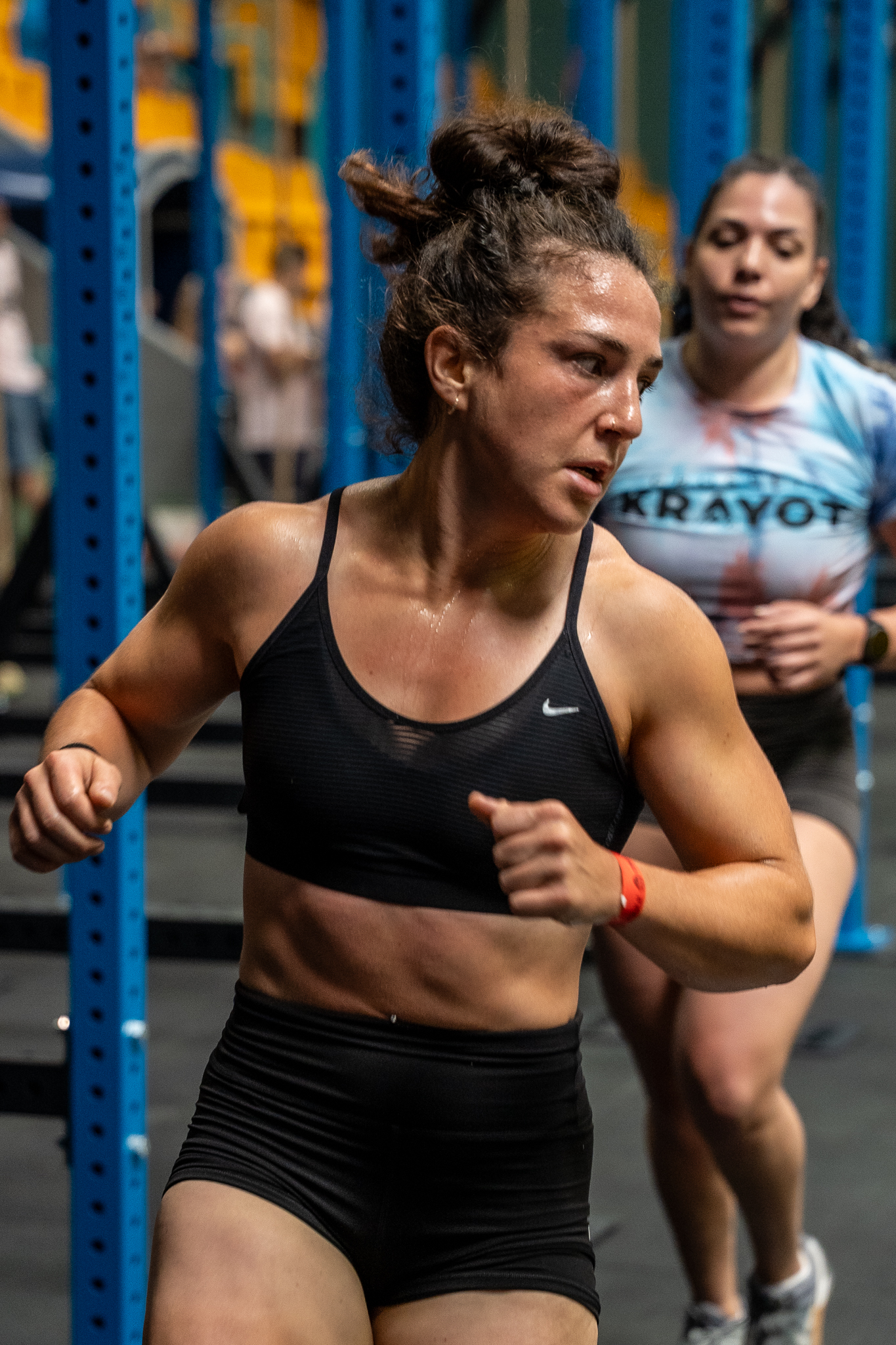
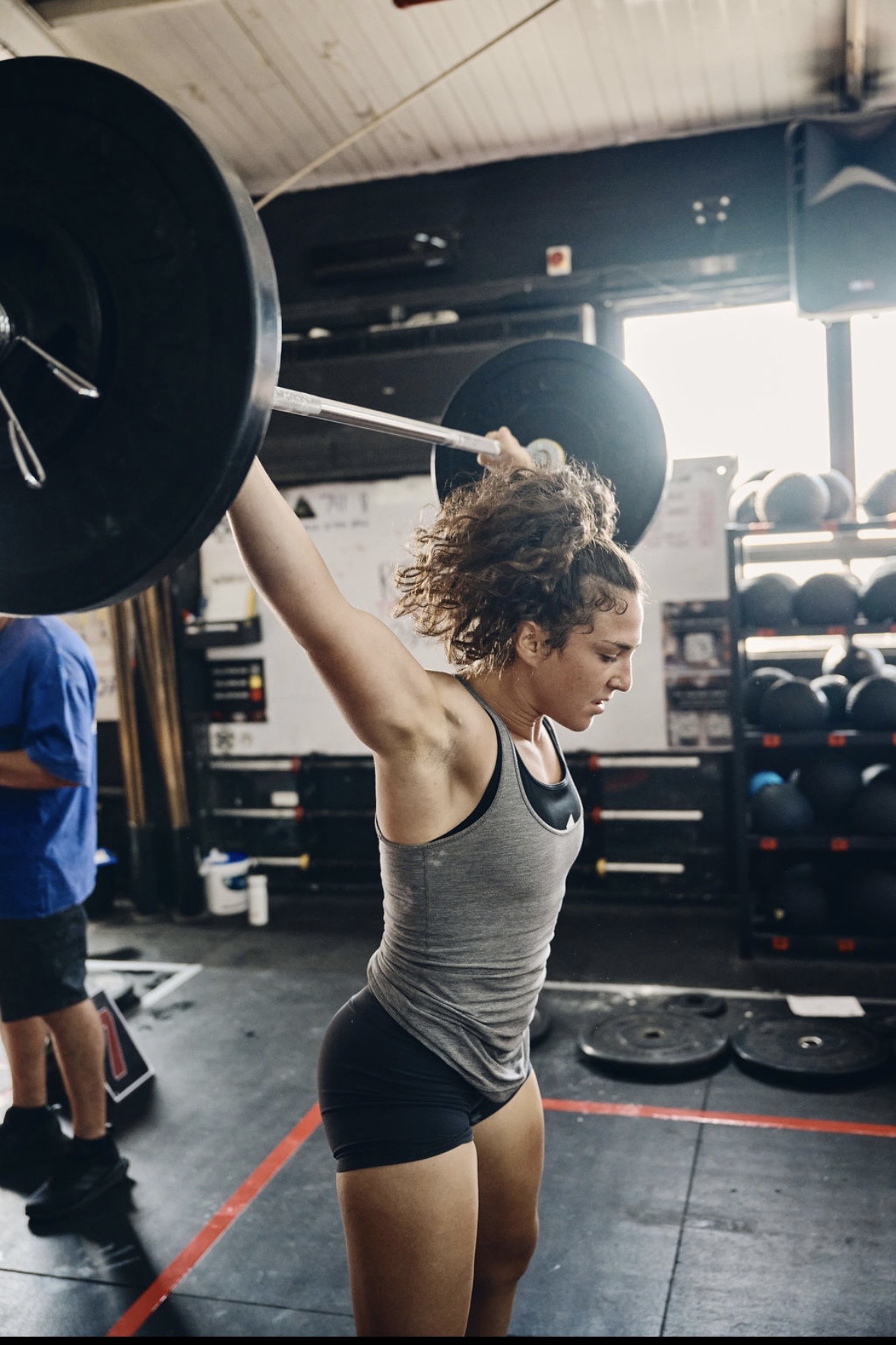
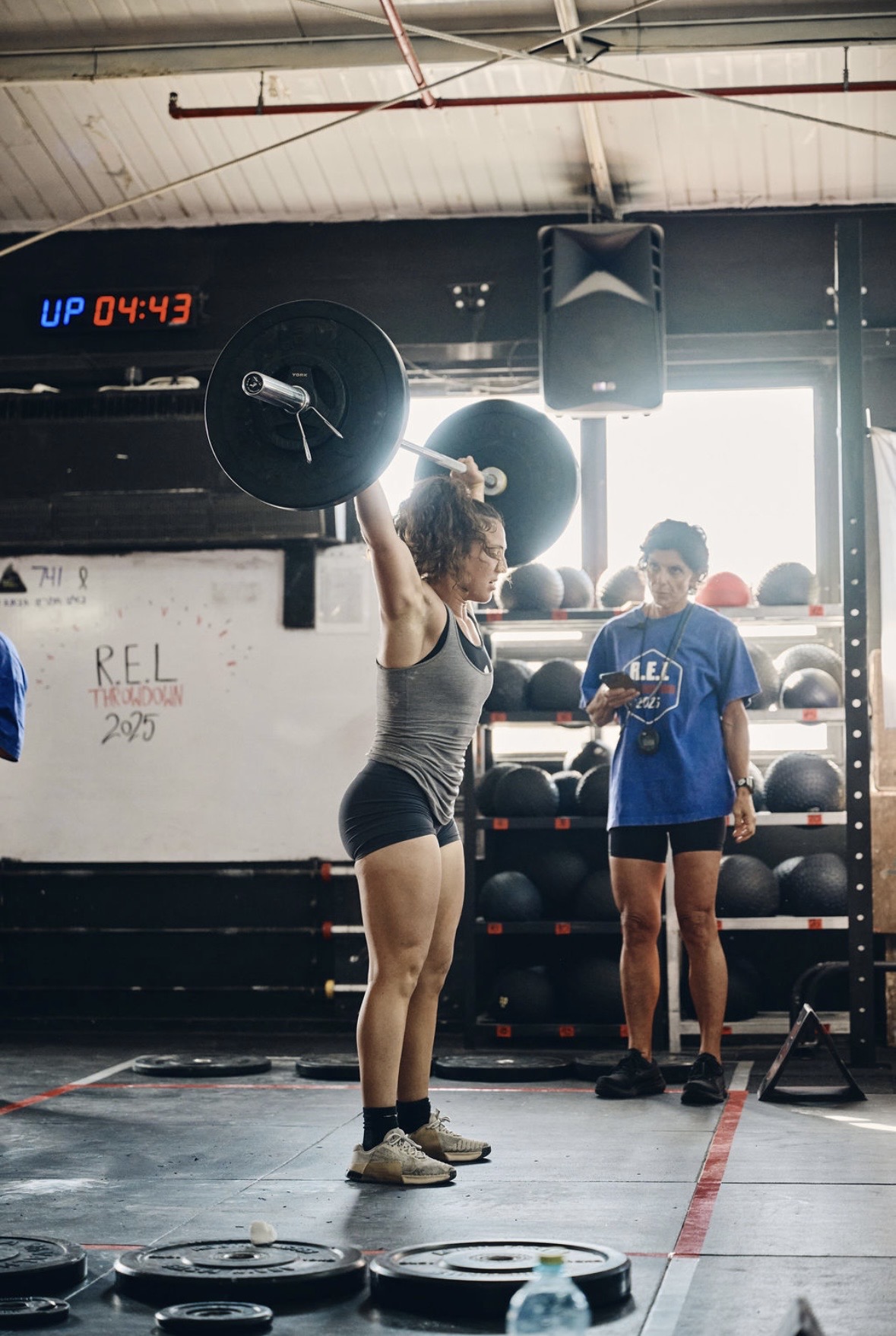
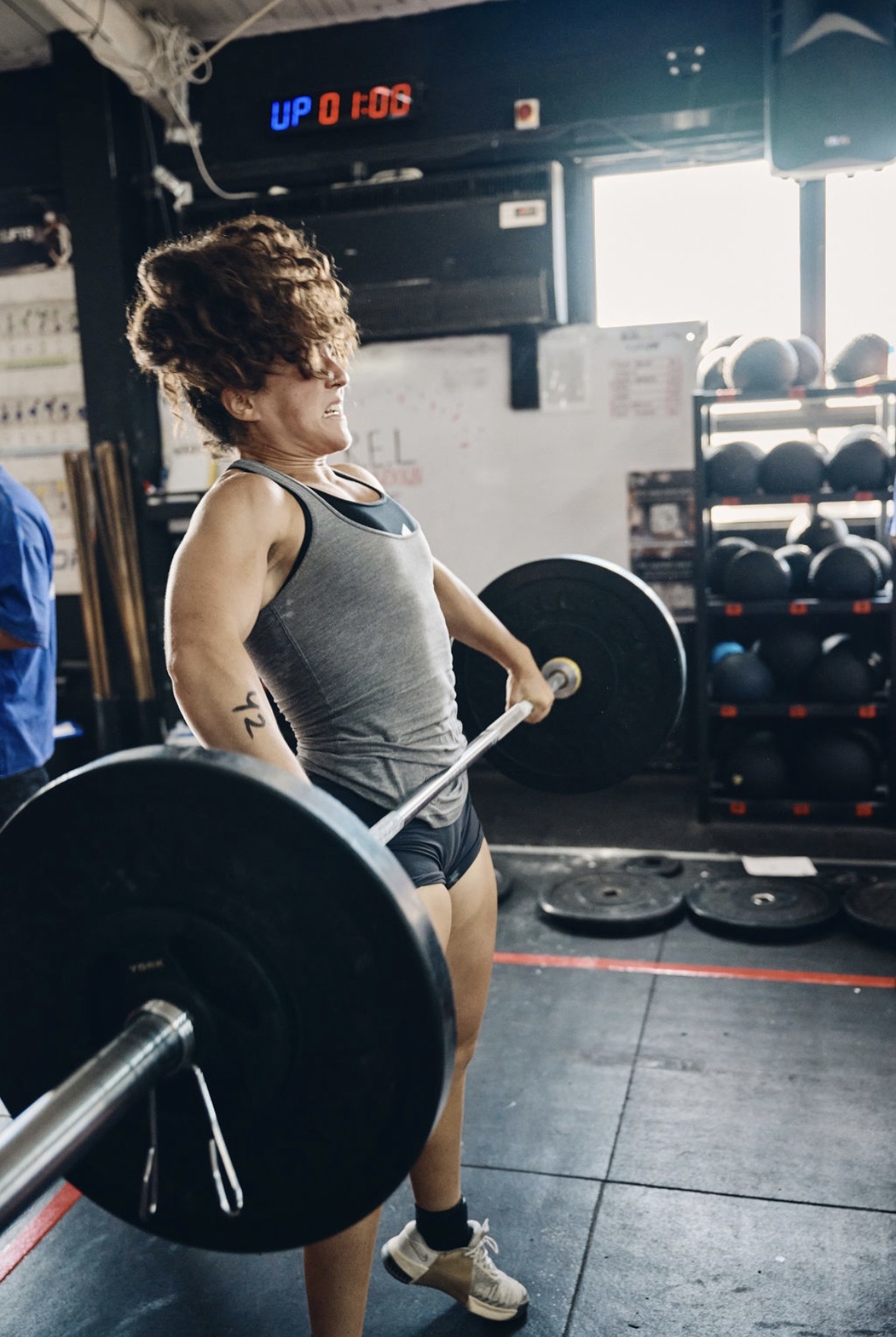
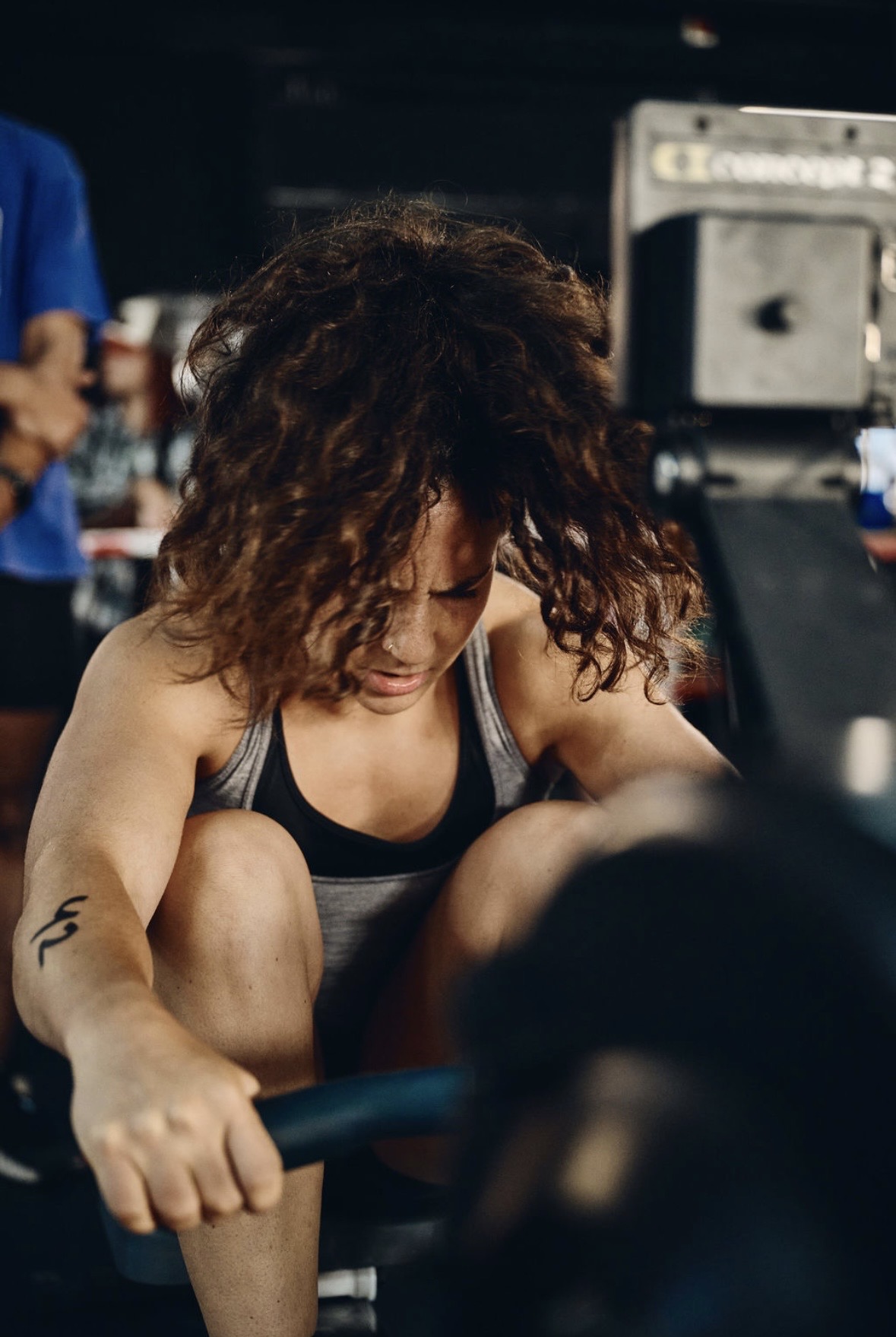
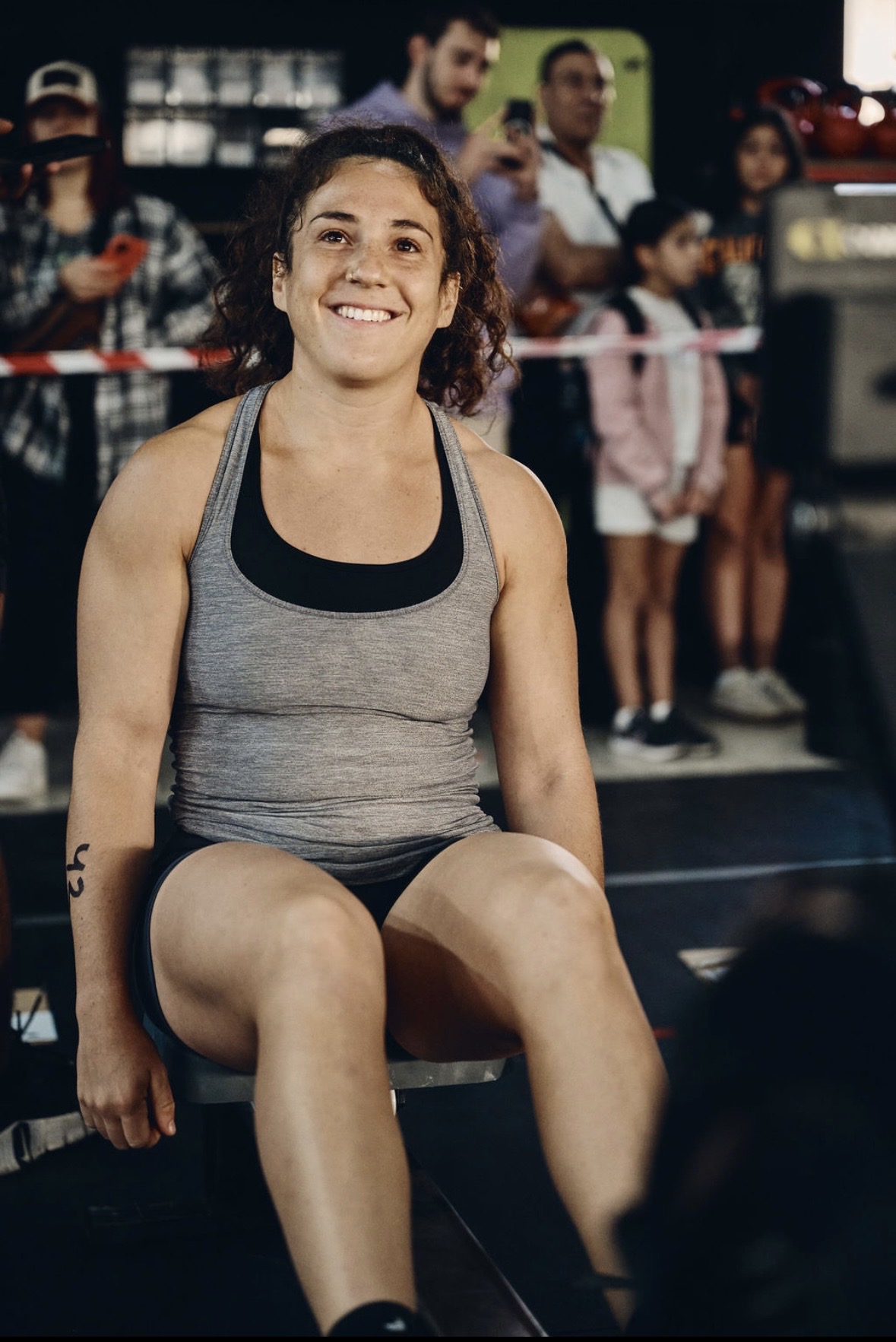
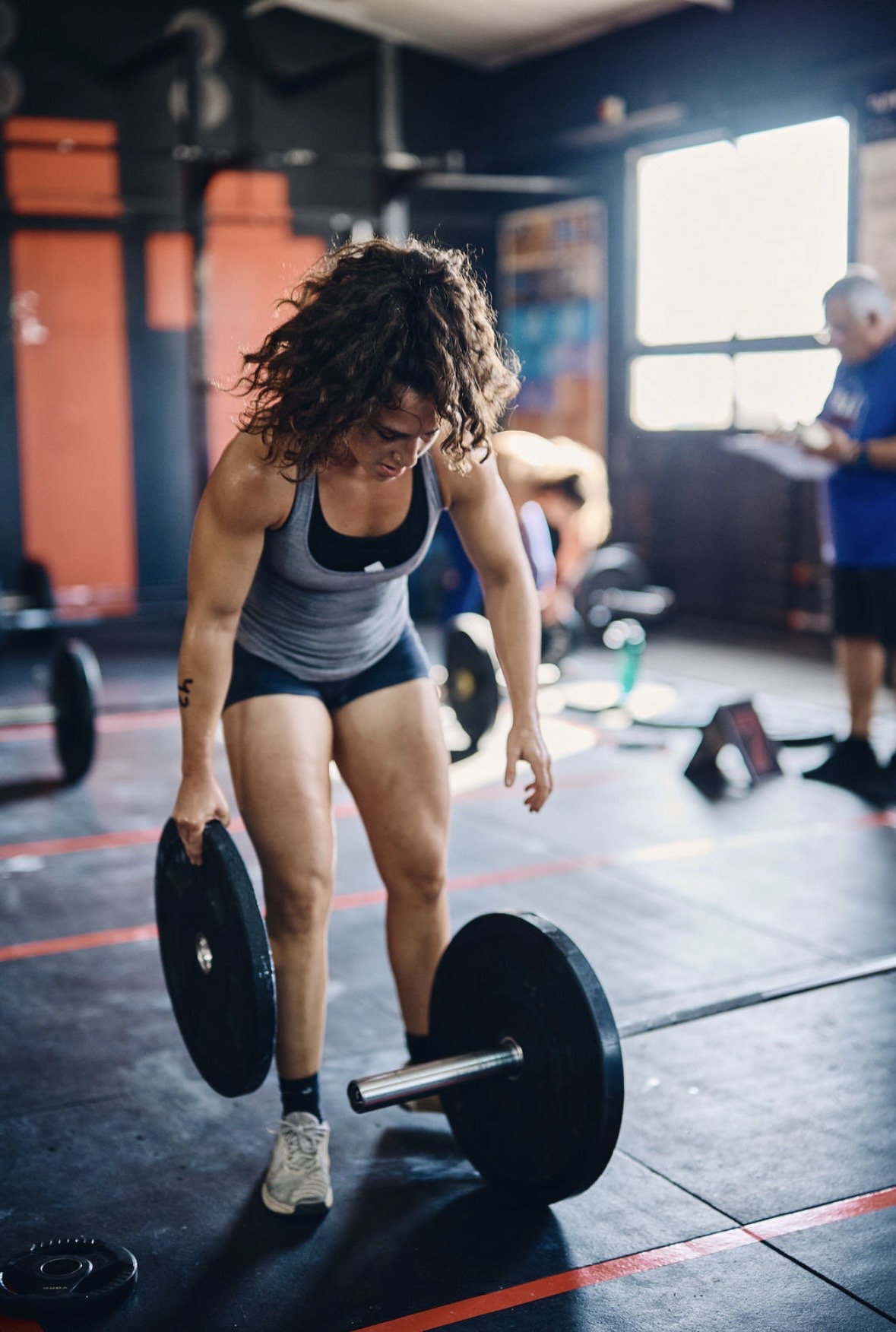
Growing up I was always playing sports — soccer and dance. In high school I started running and doing CrossFit. I continued with both for the past 12 years, and also kept up with dance and soccer on and off. More recently I started jiu jitsu.
I use exercise as a way to feel alive, grounded, and strong — but it wasn’t always that way. When I first started running, it was entangled with a lot of self-hate, punishment, a way to disappear, change myself, and avoid the pain I was feeling.
I so often see this complex relationship people have with exercise. And while I think it has such profound and amazing effects — not only for our physical health but truly our mental and spiritual health — I also want to address the complexity of it all. So this page is really about how I relate to movement, what I believe it can give us in our own lives, and how it fits alongside other forms of healing.
When Movement Wasn’t the Right Kind of Medicine
Exercise became another way of trying to shrink and change myself. Movement became about avoiding pain and gaining control — but it brought deeper pain in other ways.
I struggled with body image and started running to get skinny. I quit other sports because I felt like they weren’t doing what I wanted, which was to simply get into better shape. I developed an eating disorder. On the outside it looked dedicated, disciplined, fit — but really it was coming from a place of hurt and self-criticism.
When we move to fix ourselves rather than take care of ourselves, movement doesn’t actually bring us closer to our body. It does the opposite — it pulls us further away from ourselves.
Learning a Different Way
Gradually, over time, I was able to start to heal from this.
CrossFit was the start. It gave me a sense of community, a sport more focused on performance. Getting stronger really helped me be okay with getting “larger” and feeling strong and capable instead. Over time, running became something I truly enjoyed — it helped me clear my head, feel calm, grounded, and less overwhelmed.
Now sports are truly a major part of my identity and happiness. It’s a main way I:
- Regulate my emotions
- Move stress and anxiety through my body
- Stay present
- Feel connected to my body
- Feel strong and capable
It gives me somewhere to put my energy and some of my overwhelming emotions. It makes everything else in my life a little more manageable.
I also have ADHD, and sitting still all day has never worked for me. Movement helps me think better, be more creative, and actually focus. It clears out the noise so I can show up more fully for everything else.
Movement and Mental Health
All of this to say — I don’t believe you can just “work your way out” of trauma and pain. I actually believe quite the opposite.
Movement on its own is not enough, and can even be damaging if done on its own — especially when dealing with body image and deep emotional pain. But I think it can be really important when it’s part of a bigger picture: therapy, honest conversations, learning to listen.
When movement is part of that bigger picture, it can:
- Help regulate your nervous system
- Lift your mood
- Deepen the connection to your body
- Build trust with yourself
- Remind you of your strength and capabilities
Our energy and bodies are deeply connected to our emotions. Often we need to move before our emotions can be fully talked about. And we also need to learn how to listen to what our bodies are telling us.
A lot of healing is just learning to pay attention to our bodies instead of fighting them.
How This Shows Up in My Work
I care about your relationship with your body and with movement.
Because of my own experience, I understand how important it is to allow space for movement — especially if you’re neurodivergent. Sitting still and talking isn’t always the best way to process. Sometimes you need to move to think, or move to feel.
I’ve also found that movement in general helps people loosen up — something opens up when we’re not locked in a chair, face to face. Walks are amazing for this. There’s something about moving side by side that makes hard things easier to say, and I’m a big believer in walking during sessions when it feels right.
I’m trained in boxing therapy and sometimes bring that in too — not as a workout, but as a way to get back into your body, release what you’re holding, and feel your own strength. No experience needed.
I want to normalize all of it. Fidgeting, stretching, pacing, walking — whatever you need, without judgment.
In sessions, this might look like:
- Taking a walk together while we talk
- Boxing therapy when movement feels like the right way in
- Paying attention to what your body feels like when you talk about something hard
- Exploring your relationship with exercise, rest, and performance
- Using movement as an option for processing emotions
"We're not only as good as our weaknesses. We're as good as how we show up for ourselves when we're feeling our weakest."