When a Gift Feels More Like Poison
The Burden of Potential and the Fear of Using it
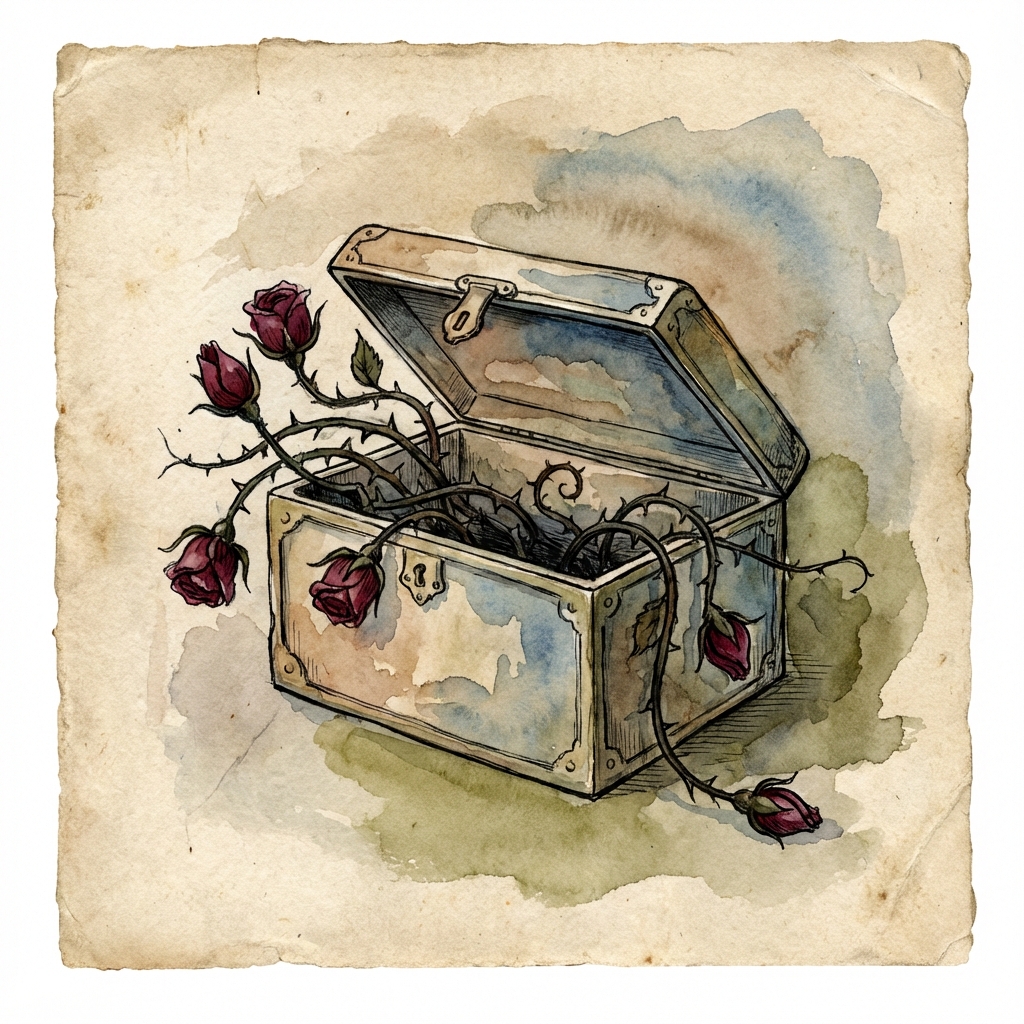
We always think of a gift as having a positive connotation. A gift is something you gain, something meant to help you, to celebrate you. We use it to describe both a special talent and something given to mark an occasion. What do these two things have in common? They make you feel special.
And what is special, really? Special makes you feel like you possess something deserving—deserving to be celebrated, cared for, praised, recognized. And who wouldn’t want these things? We all want to feel special, celebrated, praised.
But if you dig a little deeper—is it really completely positive?
Is it really a blessing, or is it sometimes a burden?
I guess it depends on how you view yourself. A blessing can quickly become a burden depending on how deserving you feel.
When you receive a gift and don’t feel deserving, your immediate reaction is to push it away. You question why you were given it in the first place. The value feels mismatched. Now you feel in debt, obligated to return the favor, wishing you’d never received it at all. You don’t use the gift; it sits there, haunting you, gathering dust.
When you possess a gift, some talent that feels more intuitive to you than to others, it mirrors this same phenomenon. Society, school, people tell you, “You’re so gifted! You’re destined for something!"—and yet, if you haven’t “arrived” yet, it creates a deep anxiety. You feel like you owe the world something, as if your gift is a debt you’re behind on repaying. The pressure to do something with it becomes paralyzing. The more people say it, the worse it feels.
But let’s say you actually believe you deserve the gift. Suddenly, it feels… kind of nice. Maybe even exciting. It brings a sense of pride, even joy. You want to use it, show it off, share it with others. What once felt like a heavy burden you wished you could give back now feels like something you’re honored to carry—something you’re grateful to have been trusted with.
If you feed into the belief that you aren’t enough, that you aren’t capable, you never even start. You stay stuck, paralyzed in a cycle of avoidance. But if you believe you are capable—suddenly you’re energized. You’re excited to share your gift, confident in what you have to offer, and motivated to bring it to life.
It’s never about what other people think of you. It’s never about how much others believe in you. It’s not even about the expectations from parents, society, or the world. It’s about you. Do you believe in yourself? Do you feel deserving? Do you want to share your gift because you feel the world deserves it?
If we take a gift and put it on our backs, it may feel like a burden—a weight keeping us from moving forward.
But if we take that same gift and stand on it, proud and tall, we can elevate ourselves, see unseen views, and reach new heights.
In German, the word “Gift” doesn’t mean a present at all—it means poison. A reminder that not every gift feels like a blessing. Sometimes, what’s handed to us can feel toxic, overwhelming, or dangerous depending on how we receive it. It’s all about how we choose to interpret it, how we metabolize what’s been given.
It’s insane that just earlier today, I was talking about this. How I sometimes crave not having the gift at all, because then it wouldn’t be gnawing at me every single day. I could just live my life, happy and unbothered, doing whatever, without the constant pressure of those whispers—slight, yet sharp, like the shrilling sound of wind whipping past your ears—high-pitched and piercing, impossible to block out as they crawl down my spine.
It’s like sitting inside a house that was once warm, safe, and spacious, but now the walls are creaking under the pressure, tightening, the windows rattling from those whispers outside.
And somehow, those whispers sharpen into what I think are criticisms, cutting deeper because they come from the person who knows me best—my loving and supportive boyfriend. He says he wants me to be shared with the world because he believes in my gift so strongly. And I’m so quick to get defensive.“I’m not made for this.““I’m just not good at that stuff.“It’s easier to give excuses than to believe in yourself. Why? Because growth only happens outside our comfort zones, and when growth isn’t happening, we almost push ourselves out of our own skin—we no longer fit the comfort, and it chases us out of our once cozy home.
I told him he was being harsh. That I’m just not one of those girls who can market herself on social media. That he just wants me to be someone I’m not. That I wasn’t made for that. That he has to remember I’m seven years younger than him.“If that’s all you want to hear, then fine,” he said. But I tuned out the part where he added,“You have a true talent, Dani—for writing, for who you are. Right now, I’m the only one who gets to see it, and I want you to share yourself with the world. They deserve to have you. It’s like everything you create is locked away in a drawer, and you just keep adding to it without ever showing it.”
His encouragement gets distorted by my own defenses until all I hear is pressure where there was only care. Of course, it’s easier for my subconscious to block out the truth and hold on for dear fucking life to whatever belief keeps me safe in my shrinking little house—that’s really not so cozy anymore because the walls are closing in on me every day and I’m spilling out of the windows.
And obviously, I know he’s right.And that’s the worst part.
What if I fail?What if nobody likes me?What if I spend all this time and energy and vulnerability and I fall flat on my face?
“Okay, so maybe you’ll fall flat on your face,” he says, “but at least you tried.”
So here’s to me trying… and possibly falling flat on my face—but at least I’ll have finally broken free from my not-so-cozy house, even if I trip on the way out.
Continue Reading
Confidence is Assurance, With No Guarantees
Redefining confidence as the ability to fail and keep going, not guaranteeing success
You Don't Get the Rainbow Without the Rain
The cost of denying our emotional range—how the rain we run from might actually be the very thing we need to find the rainbow.